
With over a billion members worldwide, including 42.9 million in the UK alone, LinkedIn has become the go-to platform for B2B marketers wanting to reach a professional audience.
However, many marketers are wary of using ads on LinkedIn because of the perceived high costs.
LinkedIn ads are known to be pricier than those on other social platforms, but, implemented well can bring a great return on investment.
Not sure whether using LinkedIn ads is the right choice for your organisation? Whether you’re considering running ads yourself, getting LinkedIn ads training, or using a LinkedIn ads agency, this guide will break down the key elements influencing LinkedIn ad costs in the UK, helping you determine if it’s the right investment for your business.
Why do LinkedIn Ads cost so much?
Let’s take an example of a cleaning business.
A cleaning company running ads on Meta might advertise domestic cleaning
services at £15 per hour, with an average customer choosing two hours per week.
Therefore, their return on investment for a single customer for a year would be
£1560.
The same company advertising corporate
cleaning on LinkedIn might pursue a monthly contract for 40 hours at a cost of
£30 per hour, profiting at £14,400 per year!
While the actual costs and return on
investment for LinkedIn ads are as unique as your business, it stands to reason
that targeting a B2B audience will be more expensive than selling low-cost
products on, say, TikTok.
How Campaign Objectives Affect LinkedIn Ad Costs
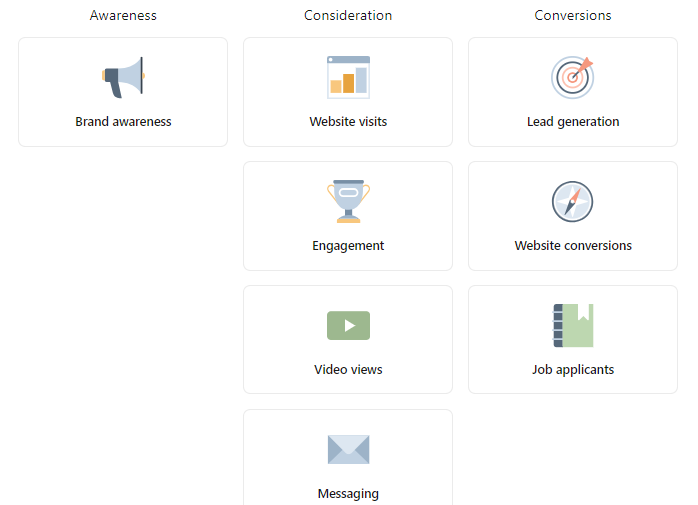
The objective you choose for your LinkedIn ad campaign has a significant impact on the overall cost. LinkedIn’s advertising platform allows you to select from various objectives that align with your marketing goals, such as brand awareness, website visits, engagement, video views, and lead generation. Each of these objectives is optimised differently by LinkedIn’s algorithm, influencing the bidding process and, ultimately, the cost of your ads.
Brand Awareness
Objective: If your goal is to increase brand awareness, LinkedIn will optimise your campaign to show your ads to as many people as possible within your target audience. This objective is generally designed to maximise impressions.
Cost Implications: Brand awareness campaigns tend to have a lower CPM (Cost Per 1,000 Impressions) compared to more targeted objectives like lead generation. This is because the focus is on reaching a broad audience rather than driving specific actions. Typically, you might see CPMs ranging from £6.00 to £9.00, making it a cost-effective option for top-of-the-funnel activities, but be mindful that this is not a campaign type expected to drive sales.
Engagement
Objective: Engagement campaigns are aimed at increasing interactions with your content, such as likes, shares, and comments. LinkedIn’s algorithm will show your ads to users who are most likely to engage with them.
Cost Implications: The cost of engagement campaigns is usually higher than brand awareness campaigns, as LinkedIn targets users more selectively. The CPC (Cost Per Click) or CPM for engagement campaigns can vary, but generally, you might experience a moderate cost increase due to the more targeted nature of the ads.
Website Visits
Objective
This objective is designed to drive traffic to your website. LinkedIn will optimise your ads to be shown to users who are likely to click through to your site.
Cost Implications
The CPC for website visit campaigns is typically higher than for brand awareness and engagement objectives. Since the goal is to encourage users to take action, LinkedIn’s algorithm prioritises showing your ads to users who are more likely to click, often resulting in CPCs in the range of £4.00 to £8.00.
Lead Generation
Objective
Lead generation campaigns are focused on capturing leads directly on LinkedIn using Lead Gen Forms, which allow users to submit their information without leaving the platform. This objective is highly targeted and aims to attract users who are ready to provide their contact details in exchange for something valuable, such as a whitepaper or webinar registration.
Cost Implications
Lead generation campaigns are typically the most expensive in terms of both CPC and CPM. This is because LinkedIn targets a specific subset of users who are likely to convert into leads. CPCs for lead generation can be higher, often ranging from £6.00 to £12.00 or more, depending on the competitiveness of the audience and industry. Additionally, the CPL (Cost Per Lead) is also a crucial metric in these campaigns, which can vary significantly based on the offer and audience.
Video Views
Objective
Video view campaigns are designed to promote your video content, optimising for users who are most likely to watch your videos.
Cost Implications
Similar to brand awareness campaigns, video view objectives generally have a lower CPM since the goal is to maximise the number of views. However, if your video content is highly engaging and targeted, the cost could increase depending on the audience size and competition.
Conversion
Objective
Conversion campaigns are focused on driving specific actions, such as purchases, sign-ups, or downloads. LinkedIn will optimise your ads for users who are most likely to complete the desired action on your website.
Cost Implications:
Conversion objectives usually have higher costs because they are optimised for users who are closer to making a purchasing decision. CPC and CPM are typically higher, and you might also consider the CPA (Cost Per Acquisition), which can vary greatly depending on the value of the conversion and the competitiveness of your target audience.
How Audience Choice Affects LinkedIn Ad Costs

The audience you choose to target with your LinkedIn ads is one of the most significant factors influencing the cost of your campaigns. LinkedIn’s advanced targeting options allow you to reach specific professionals based on their industry, job title, company size, skills, and more. While this precision can significantly enhance the effectiveness of your ads, it also impacts the cost. Here’s how and why:
Audience Size
- Broad vs. Narrow Targeting: When you target a broad audience, LinkedIn’s algorithm has more flexibility in displaying your ads, often resulting in lower costs per impression (CPM) or click (CPC). However, broad targeting can lead to lower engagement rates as your ads may reach users who are not as relevant to your offering.
On the other hand, narrowing your audience to a specific group, such as senior executives in the technology sector, increases the likelihood of your ads being relevant, but it also increases the competition for these users, driving up costs. A smaller, more targeted audience typically results in higher CPCs and CPMs because you’re competing with other advertisers who are also trying to reach the same niche group.
Professional Attributes
- Job Title and Seniority: Targeting professionals with higher seniority, such as C-level executives, usually comes with a higher cost. These individuals are often in decision-making roles and are more valuable to businesses, which means more advertisers are bidding to reach them. As a result, the CPC and CPM for ads targeting high-level professionals tend to be higher.
- Industry: Some industries are more competitive than others. For example, targeting professionals in the finance or technology sectors, where there is a high demand for B2B products and services, can result in increased costs. The more competitive the industry, the higher the bids and, consequently, the higher the ad costs.
- Company Size: If your campaign targets employees at large enterprises (e.g., companies with 10,000+ employees), expect to pay more. Large companies are often more lucrative targets for advertisers, leading to greater competition and higher costs. Conversely, targeting smaller businesses or startups might result in lower costs but potentially lower returns, depending on your product or service.
Geographic Location
- Location Targeting: The geographic location of your target audience also influences ad costs. Targeting professionals in major cities like London, New York, or San Francisco is generally more expensive than targeting less competitive regions. These areas are hubs for business activity, attracting more advertisers vying for attention in these markets. As a result, CPMs and CPCs tend to be higher in these locations.
Audience Engagement and Competition
- High-Engagement Audiences: LinkedIn prioritises showing ads to users who are more likely to engage with content. If you’re targeting a highly active and engaged audience on LinkedIn, your ad costs may increase because other advertisers are also trying to reach these users. However, this can also lead to better campaign performance, as engaged users are more likely to interact with your ads.
- Audience Overlap: If multiple advertisers are targeting the same audience segment, the competition for ad space increases, driving up costs. For example, if you and several competitors are all targeting marketing directors in the healthcare industry, you’ll likely face higher CPCs and CPMs due to the bidding war for this specific audience.
Retargeting and Custom Audiences
- Retargeting: Retargeting allows you to reach people who have already interacted with your brand, such as visiting your website or engaging with your LinkedIn content. Retargeting campaigns often have higher engagement rates, but the costs can vary. While the audience is more qualified, meaning they are more likely to convert, the smaller audience size and higher competition can drive up costs.
- Custom Audiences: Creating custom audiences based on your own data (e.g., email lists, CRM data) can also influence costs. Custom audiences are typically more valuable because they consist of users who have already expressed some level of interest in your brand. However, similar to retargeting, the costs can be higher due to the specificity and quality of the audience.
What is the minimum daily budget for LinkedIn ads?
LinkedIn allows a minimum daily budget of £
7.50; however, sales results are highly unlikely to be seen on this budget. Additionally, LinkedIn requires a minimum
lifetime budget of $100 for new inactive campaigns.
Depending on your audience and the complexity
of your campaigns, we tend to recommend a minimum daily budget of £50 (and far higher if you are targeting a
competitive audience or have a high-ticket offer).
How LinkedIn Ads Budgets Work

When setting up your LinkedIn ad
campaigns, one of the key considerations is how to manage your budget. LinkedIn
offers flexibility in how you allocate your spending, allowing you to set
either a daily budget or a total campaign budget, depending on your advertising
goals and financial constraints. Understanding how these options work can help
you make informed decisions to maximise the effectiveness of your ad spend.
Daily Budget
What It Is: A daily budget sets the maximum
amount you’re willing to spend on your ads each day. LinkedIn will optimise
your ad delivery to ensure your daily spend stays within this limit – but over
the course of one month.
Advantages: Setting a daily budget is ideal
for advertisers who want to control spending on a day-to-day basis. It helps
maintain consistent ad exposure over time without overspending on any single
day. This option is particularly useful if your campaign runs indefinitely or
over a long period.
Considerations: While daily budgets help
spread your spending evenly, LinkedIn may sometimes spend slightly more on
high-performing days, balancing it out by spending less on other days – meaning
that LinkedIn can spend up to 50% more on any given day Over the course of a
month, your daily budget will average out, but individual days might see some
variance.
Campaign Budget
What It Is: A campaign budget is the total
amount you’re willing to spend on your ad campaign. LinkedIn will distribute
your total budget across the campaign period, adjusting the daily spend as
needed to optimise performance.
Advantages: A campaign budget provides more
flexibility in how your budget is spent over time. It’s particularly useful for
campaigns with a specific start and end date, ensuring that your budget lasts
the entire duration. LinkedIn will automatically adjust the daily spend to
maximise results, potentially spending more on days when the ads perform better
and less on days with lower engagement.
Considerations:
Campaign budgets allow for more dynamic spending, which can lead to greater overall efficiency. However, because the daily spend can vary, it might not be the best option if you need
to maintain a strict daily spending limit. Additionally, if your campaign ends
earlier than expected due to reaching performance goals, the remaining budget
will not be spent unless you extend the campaign.
Bid Strategy and Budget Allocation
Automated Bidding:
LinkedIn offers automated bidding, where the platform adjusts your bids to get the most results within
your set budget. This can be paired with either a daily or campaign budget,
allowing LinkedIn to optimise for your chosen objective (e.g., clicks, impressions,
or conversions).
Manual Bidding:
If you prefer more control, you can set your own bids for how much you’re willing to pay per click (cost per
click or CPC) , impression, or send (for Sponsored Messaging). Manual bidding
can be more cost-effective if you have a strong understanding of your audience
and the competitive landscape. We would only recommend using manual bidding
once you have a large amount of data and understanding of your baseline costs.
Is Advertising on LinkedIn worth the cost?
LinkedIn ads tend to be more expensive than those on other platforms like Facebook or Instagram. However, they offer unique advantages, particularly for B2B marketers. The ability to target professionals based on their industry, job title, and company size can make LinkedIn a highly effective platform for reaching decision-makers.
If your target audience is active on LinkedIn, and your goal is to generate high-quality leads, the investment in LinkedIn ads can be worthwhile.